
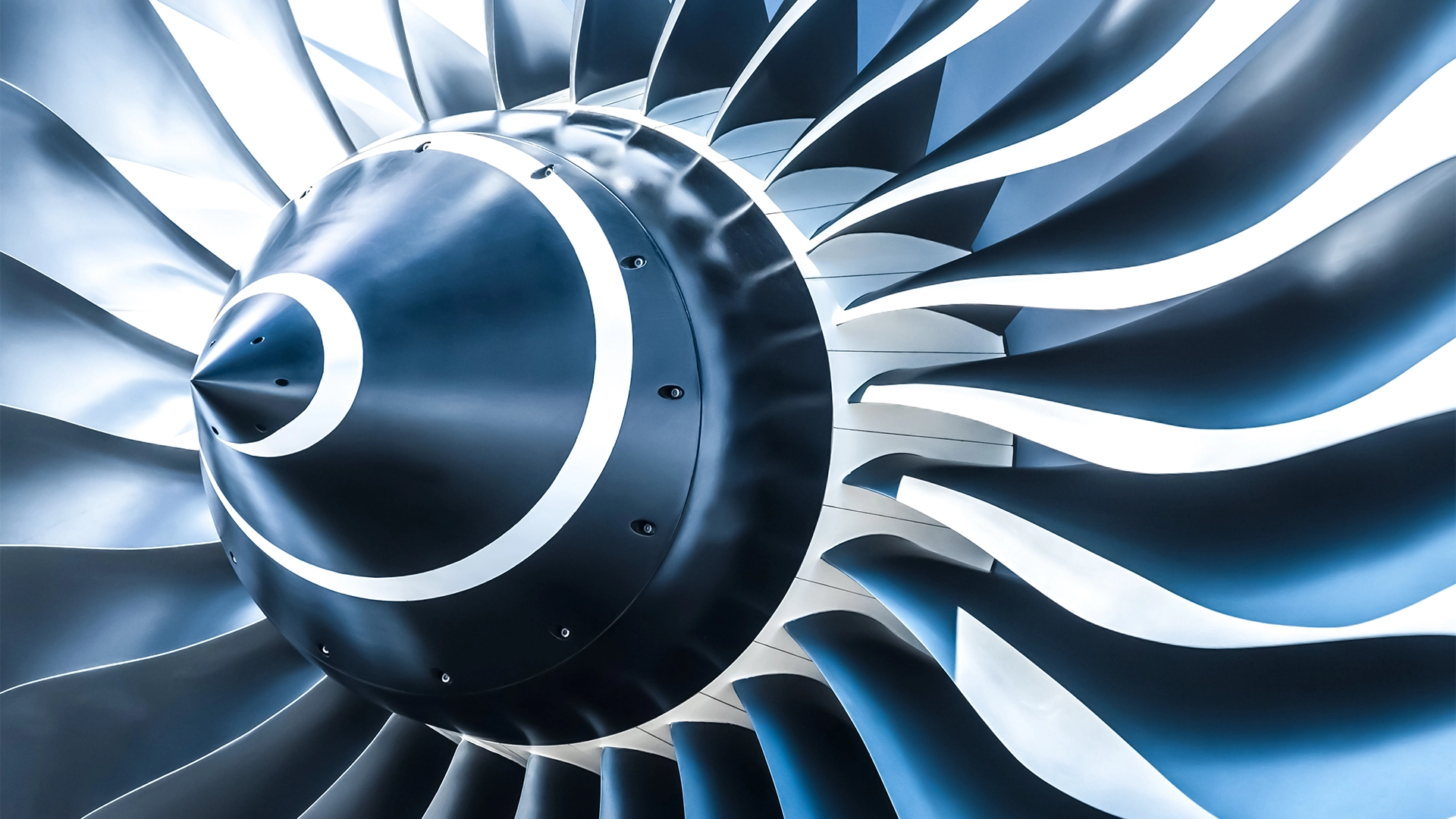
A milestone in aviation engineering was achieved through a collaboration between Rolls-Royce and easyJet at a specialized NASA facility. Technicians successfully operated a modified Pearl 15 business-jet engine at maximum takeoff thrust using entirely hydrogen fuel. The multi-year project progressed through incremental phases, advancing from initial green hydrogen trials on smaller powerplants to high-pressure component tests before culminating in a full simulated flight profile from startup to touchdown. By forcing the engine through intentional fault scenarios alongside standard operations, engineers accumulated invaluable data regarding fuel-system dynamics and control management under extreme stress.
This breakthrough challenges the prevailing regulatory assumption that internal combustion technology must be entirely phased out to meet environmental goals. Since burning hydrogen generates water vapor rather than carbon emissions, optimizing this process preserves the traditional power-to-weight advantages of turbomachinery without the environmental drawbacks of fossil fuels. While immense logistical hurdles remain before commercial implementation—such as re-engineering aircraft airframes, managing cryogenic fuel storage, and building global airport supply chains—the experimental findings will actively guide the development of next-generation powerplants.