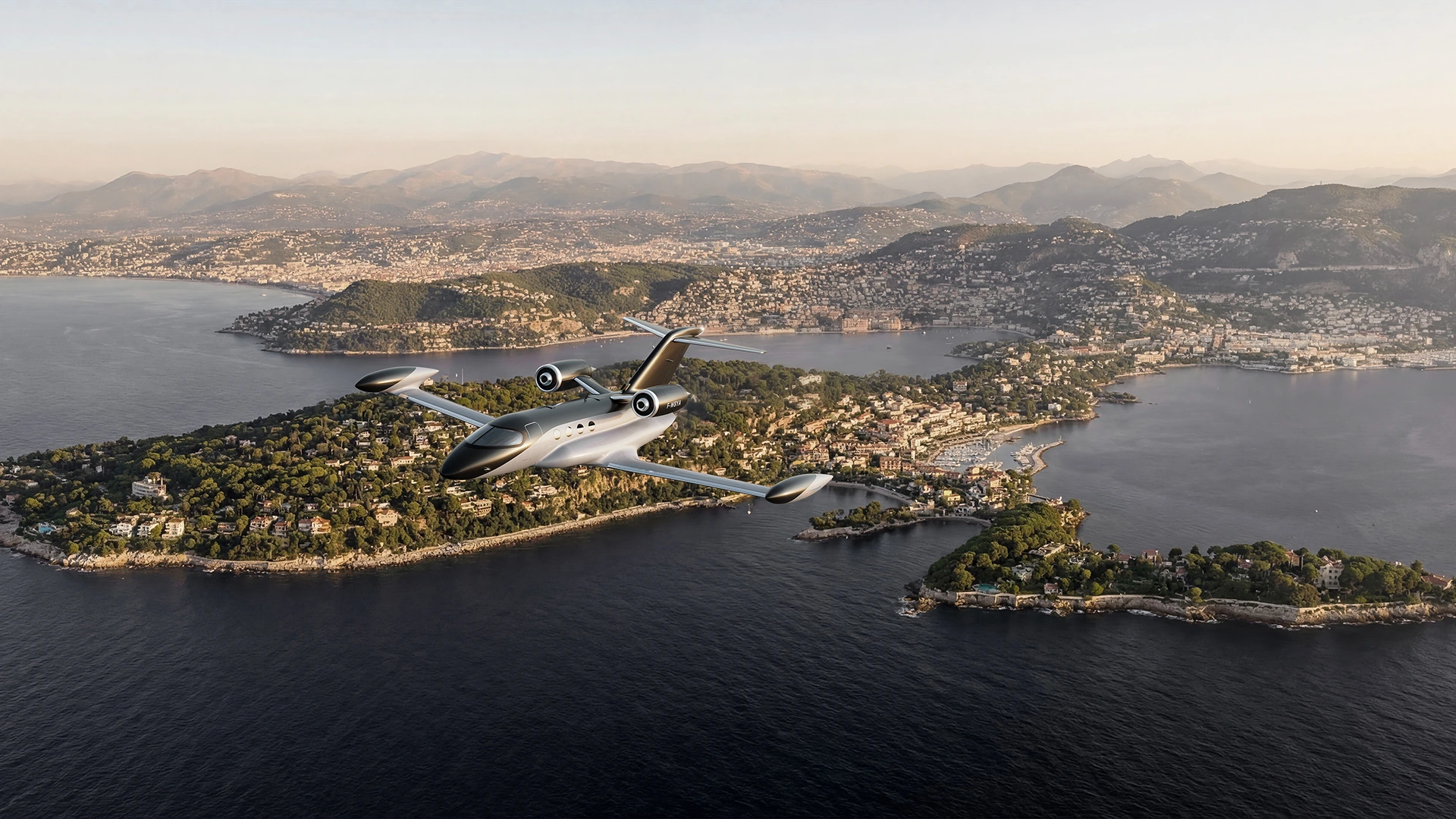


The American electric air taxi sector is experiencing significant scheduling setbacks because no operator has secured complete regulatory clearance to fly passengers. Although companies like Joby and Archer initially intended to begin operations years ago, the specialized nature of these aircraft means that standard assessment frameworks do not apply. This administrative queue is straining massive financial investments, with billions of dollars already spent on development and the construction of landing sites called vertiports. Consequently, groups such as the General Aviation Manufacturers Association have requested that authorities allocate more staff and offer concrete timeline expectations to maintain investor confidence.
In response to industry pressures, the Federal Aviation Administration established a specialized office and updated its rules regarding powered-lift machines. Furthermore, national legislators passed the FAA Reauthorization Act of 2024 to demand faster progress, though the legislation failed to provide additional funding for necessary personnel. Meanwhile, foreign competitors are moving forward, as regulators in China have already permitted passenger drone flights by EHang, and other operators are pursuing approvals through the European Union Aviation Safety Agency. Although some American vehicles have reached final testing stages, operators still must complete air carrier licensing and pilot training before flights can begin.
For decades, business aircraft manufacturers have pioneered propulsion systems that increase fuel efficiencies. That innovative work is accelerating the introduction of new eco-friendly aircraft that use hybrid, electric and even hydrogen-powered propulsion. The following are different kinds of propulsion systems.