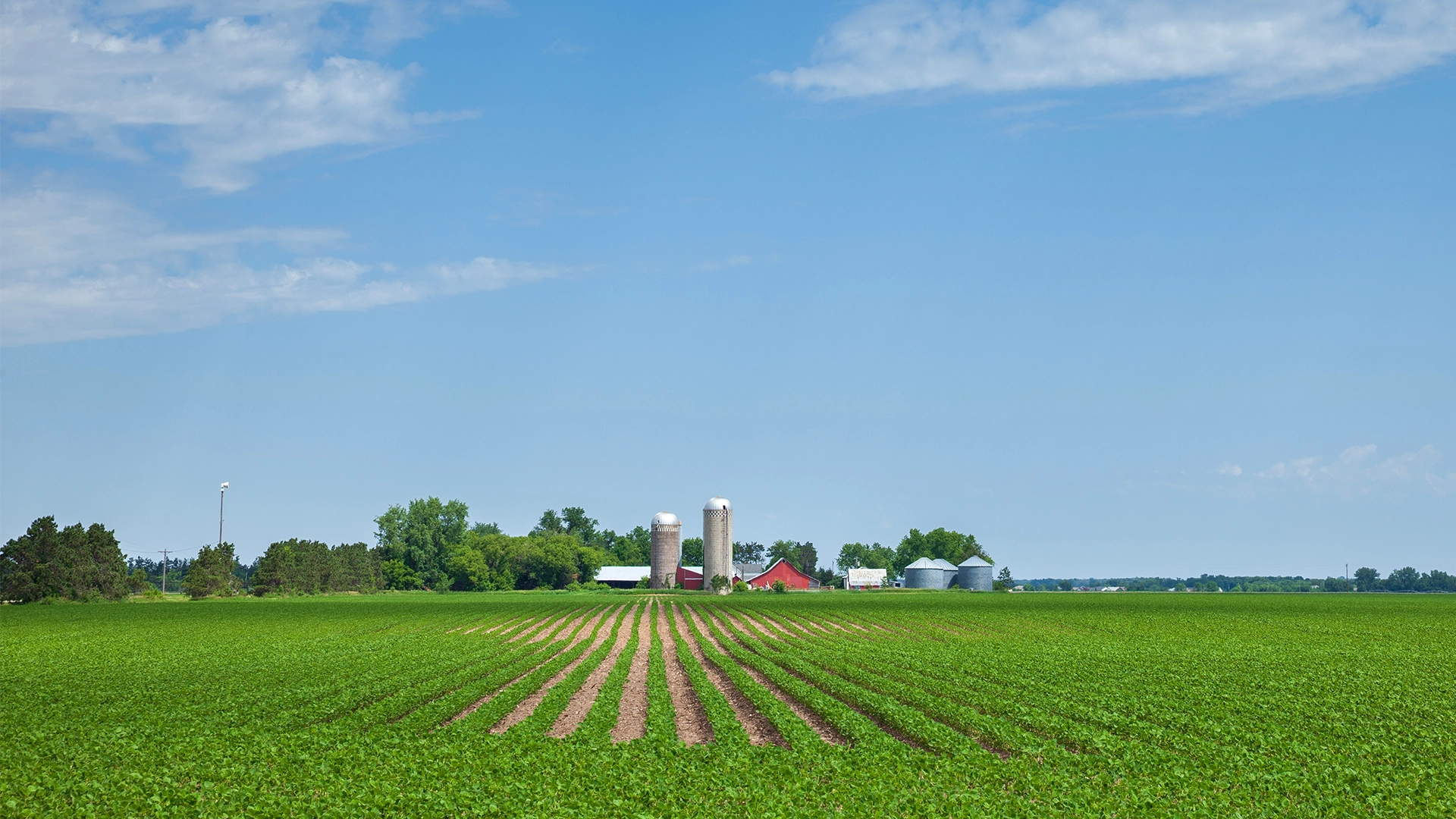


In Frankfort, the state capital of Kentucky on Tuesday, agricultural and business leaders joined forces to outline a strategic vision for the Commonwealth’s role in sustainable aviation fuel (SAF) production. The event focused on how Kentucky’s farmers are uniquely positioned to empower the next generation of sustainable flight.
At the center of the discussion was House Bill 545, a legislative proposal designed to establish a tax credit for alternative jet fuel producers. Leaders emphasized that the bill is a critical step in incentivizing both the supply of feedstocks and the production of fuel. By offering enhanced credits for Kentucky-grown products and local refineries, the legislation intends to anchor a new multi-billion dollar industry in the state.
Kentucky Agriculture Commissioner Jonathan Shell spoke passionately about the untapped potential sitting in the state’s fields. “Kentucky is uniquely positioned to meet the rising demand for reliable, scalable domestic fuel,” Shell noted during the event. “We grow the feedstocks, we have the infrastructure, and we have the geographic advantage. This is about turning alternative aviation fuel into a once-in-a-generation economic development opportunity for our farmers.”
The initiative is seen not just as an agricultural boost, but as a vital move for Kentucky’s broader economic competitiveness. Ashli Watts, President and CEO of the Kentucky Chamber, warned that the state must act quickly to stay ahead of regional neighbors. “Other states are moving aggressively with incentives and partnerships,” Watts said. “If Kentucky hesitates, we risk losing these major projects to states that recognize the urgency of this moment. We have the workforce and the resources to lead, provided we move boldly now.”
The economic impact of this shift is expected to extend far beyond the farm gate. Leaders highlighted that the development of SAF requires a complex supply chain involving new crushing facilities, biorefineries, and logistics networks. These facilities are viewed as “long-term anchors” for regional economies, capable of creating hundreds of construction jobs and dozens of permanent, high-wage positions in rural communities.
In addition to traditional crops like corn and soybeans, the initiative focuses on maximizing the value of agricultural byproducts. Materials that currently have limited market value—such as crop residues and vegetable oils—could soon generate additional revenue from every acre. This “Farm to Flight” model aims to keep more of the value of Kentucky’s agricultural output within the state, strengthening the manufacturing base through steel fabrication, engineering, and maintenance needs.
House Speaker Pro Tempore David Meade, who has been a vocal leader on the issue, was recognized for his role in pushing the legislation forward. Supporters noted that the goal of HB 545 is to create a synergy between the agricultural and energy sectors, rather than forcing a choice between them. By leveraging the state’s heritage in farming and other manufacturing output, leaders believe Kentucky can define its future as a hub for sustainable transportation.
The event concluded with a call to action for the General Assembly to solidify the state’s commitment to this new frontier. As aviation operators search for domestic fuel sources to meet sustainability goals, Kentucky leaders believe the path forward is clear: the future of aviation will be grown in the soil of the Commonwealth.