
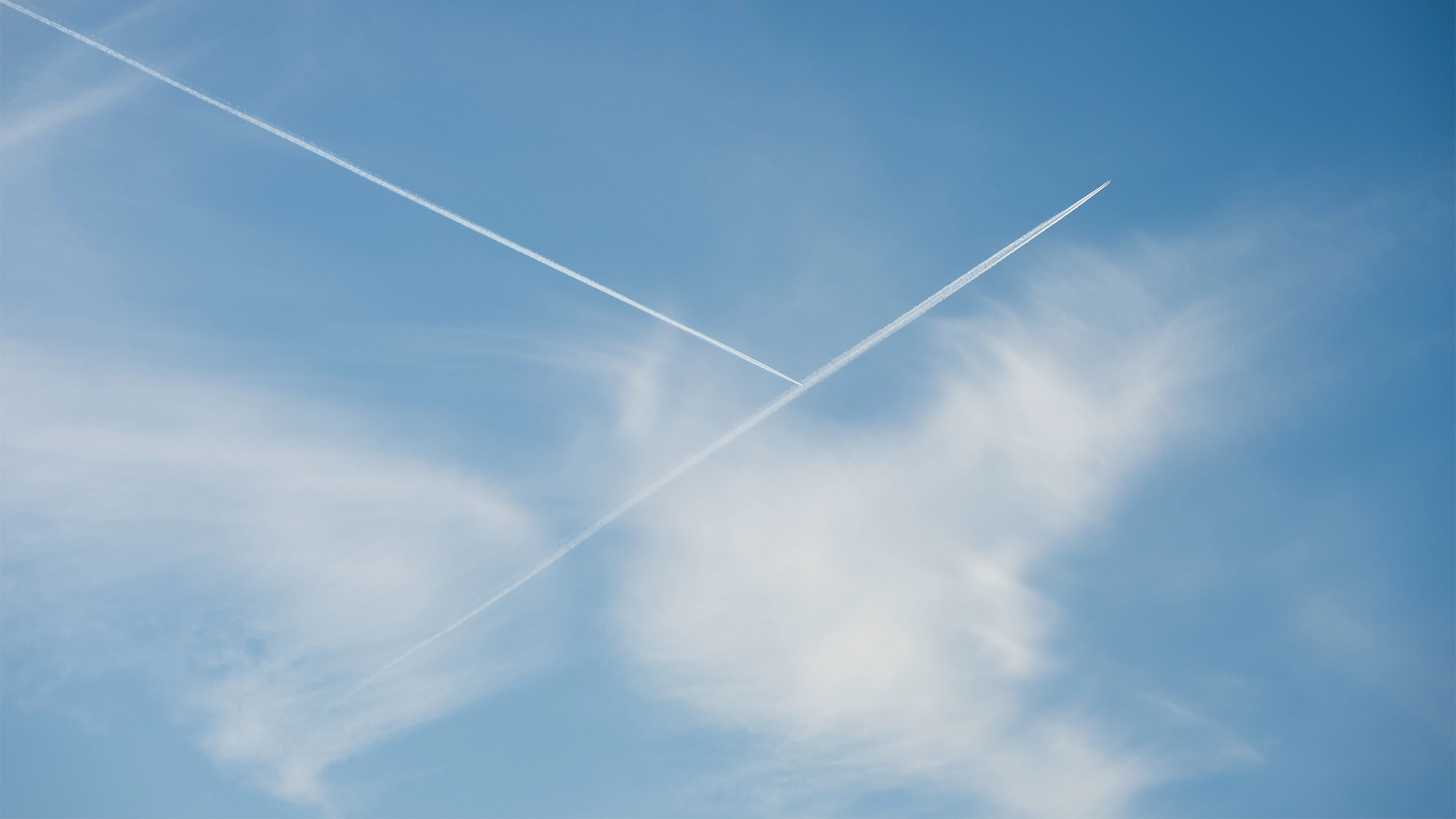
The environmental impact of air travel involves more than just carbon dioxide. Discharged particles such as Nitrogen Oxides and soot contribute to atmospheric warming by altering its chemistry and creating persistent contrail-cirrus clouds. Some scientific evaluations propose that these secondary effects could represent the majority of the entire environmental footprint generated by flights. While precise measurements are still subject to scientific uncertainty, regulatory bodies like the European Union Aviation Safety Agency are prioritizing guidelines to minimize these non-CO2 atmospheric disruptions.
Utilizing sustainable aviation fuel provides a direct solution to lessen both carbon and non-carbon impacts simultaneously. Because specialized alternatives like Neste MY Sustainable Aviation Fuel possess almost no aromatic compounds, they emit far fewer particulates during combustion. This reduction in soot prevents ice crystals from aggregating into heat-trapping clouds, proving more effective than trying to manually redirect flight paths to avoid cold, humid air. Ongoing field research initiatives like ECLIF3 and PACIFIC continue to validate these cleaner burning traits, supporting a faster transition to greener skies.
Sustainable aviation fuels have the potential to reduce lifecycle greenhouse gas emissions from aviation by up to 80% over legacy fuels. Business aviation, an incubator for investment and innovation of all kinds, supports policies and other measures to advance the production, availability and use of the fuels.