
Following the severe disruptions caused by Hurricane Isaias, the business aviation community rapidly mobilized to support impacted regions through coordinated volunteer efforts. Organizations like Operation Airdrop harness the capabilities of volunteers to bridge critical logistical gaps when traditional surface routes become impassable. By leveraging local airports as operational hubs, these airborne relief initiatives bypass damaged infrastructure to deliver immediate aid directly to isolated communities during the crucial initial days following a disaster.
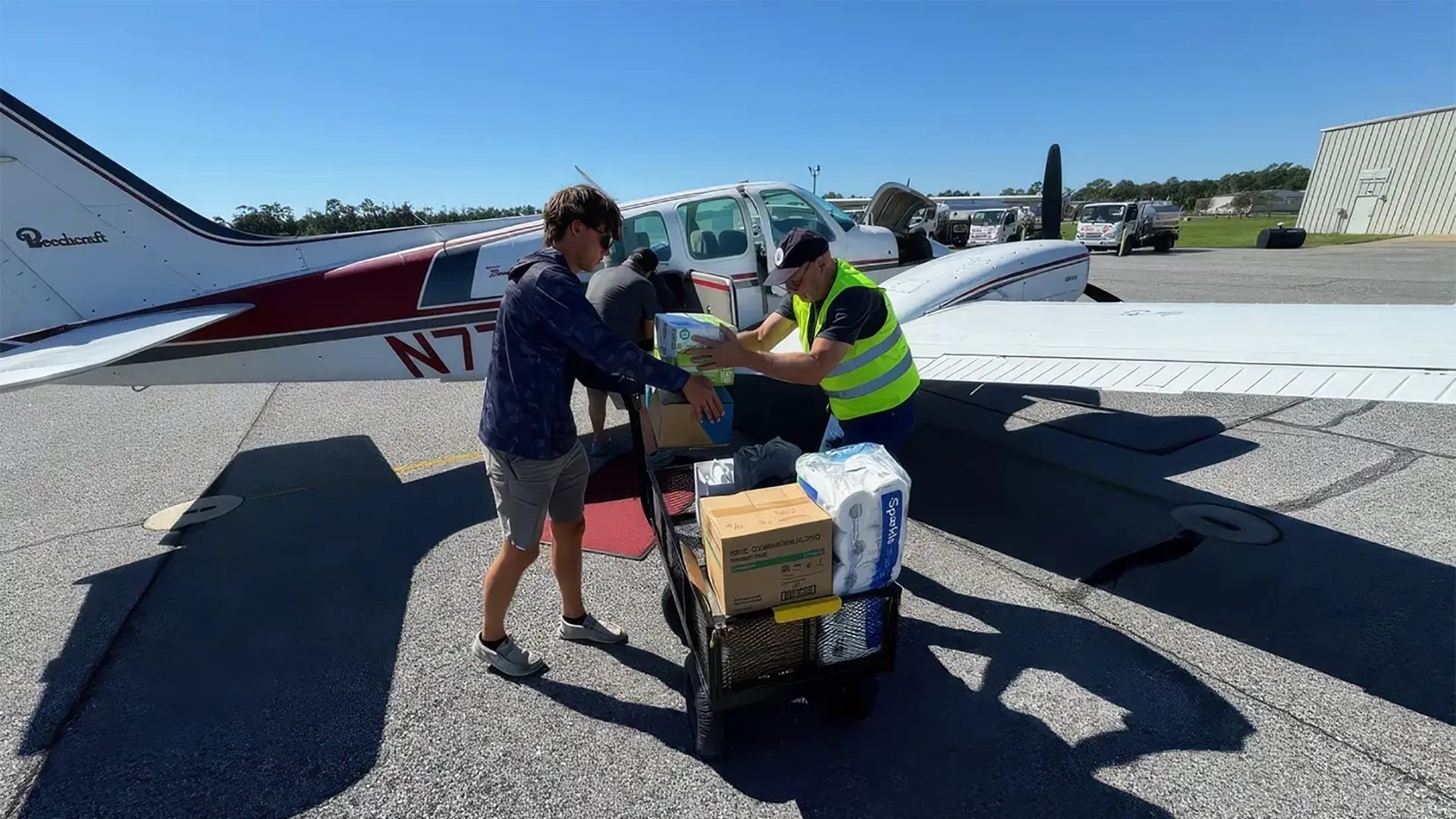
The relief missions rely heavily on the generosity of local donors, aviation businesses and ground crews who collect, sort and load vital provisions. Transported goods typically include non-perishable food items, bottled water, protective gear and essential cleanup equipment such as chainsaws to assist residents with clearing debris. This grassroots collaboration highlights the unique flexibility and responsiveness of business aviation in emergency management, demonstrating how the bizav community can effectively deliver essential provisions when timeliness matters most.
Independent studies point out that business aircraft fly up to 15,000 hours per year for humanitarian missions. For some companies these flights account for as much as a quarter of their operations.