
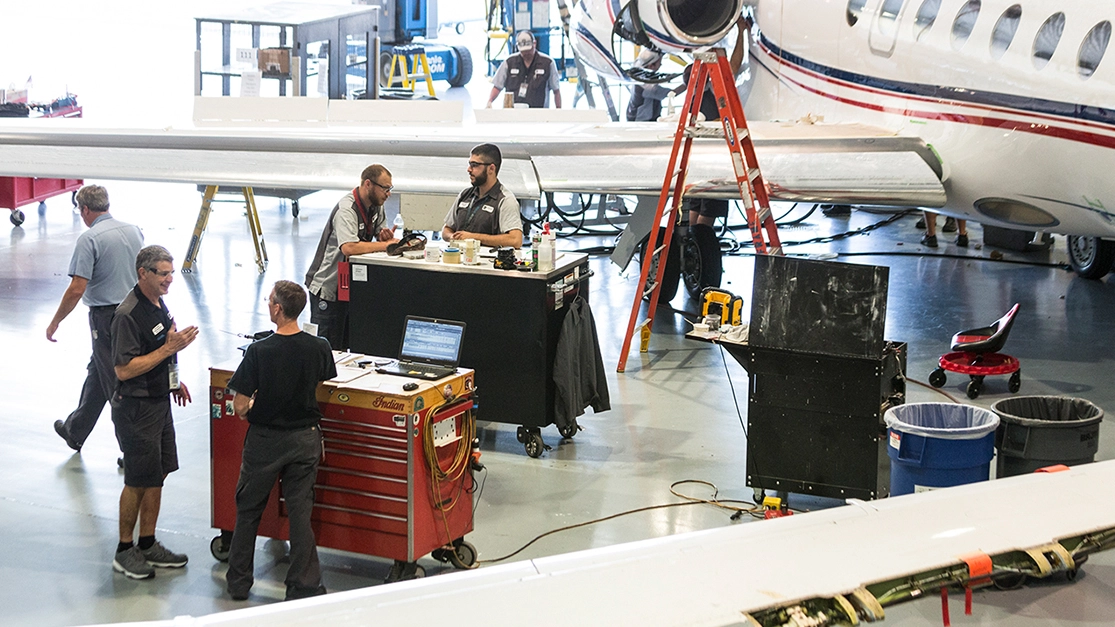
The maintenance of business jets is performed by highly skilled technicians and engineers trained in specialty areas, such as avionics (the electronic systems used on aircraft), engines, airframes and electrical systems. A new industry forecast projects tremendous growth in this field, further bolstering business aviation’s contributions to local, national and international economies.
In fact, over the next six years alone, the global business jet maintenance market will thrive at a compound annual growth rate (CAGR) of 4.5%, according to the forecast by Allied Market Research. In 2022, the sector stood at $6.7 billion. By 2032, it is expected to hit $10.4 billion, an increase of more than $2 billion.
The reason for this impressive upward trend? The report credited “strong structural tailwinds” that will require a continuous flow of trained aircraft maintenance professionals to meet projected industry needs.
“The growth in the global number of business jets is causing an expanded need for maintenance services,” the report said. “Advances in aviation technology – such as enhanced avionics systems, engines that consume less fuel and the use of composite materials – create opportunities for maintenance providers to offer specialized services from avionics upgrades and software updates to troubleshooting complex systems.”

“Advances in aviation technology – such as enhanced avionics systems, engines that consume less fuel and the use of composite materials – create opportunities for maintenance providers to offer specialized services from avionics upgrades and software updates to troubleshooting complex systems.”
Allied Market Research
The Numbers Prove Business Aviation Is Essential
The data shows the strong economic benefits generated by business aviation. According to the Business Aviation Fact Book, the industry supports more than 1.3 million jobs in the U.S. with the larger general aviation (GA) segment contributing $339.2 billion in total economic output in 2023. GA aircraft and component manufacturers employ 132,800 workers in the U.S. and a single business aircraft can generate $2.5 million in annual economic benefit for an airport and its community.
Business aviation contributes $108 billion in labor income annually, with the industry contributing $529 per person to the U.S. gross domestic product in 2023. In fact, the entire GA segment directly employs 239,100 workers, with each employee working in business aviation supporting 2.6 additional jobs nationwide.
Also, job opportunities in the sector will continue to be abundant. By 2034, some 69,000 new business aviation maintenance technicians will be needed worldwide to replace retiring professionals and meet projected industry growth, according to the 2025 CAE Aviation Talent Forecast. About 44,000 of these business aviation maintenance technicians will be required in North America alone.
Fuel-Saving Breakthroughs
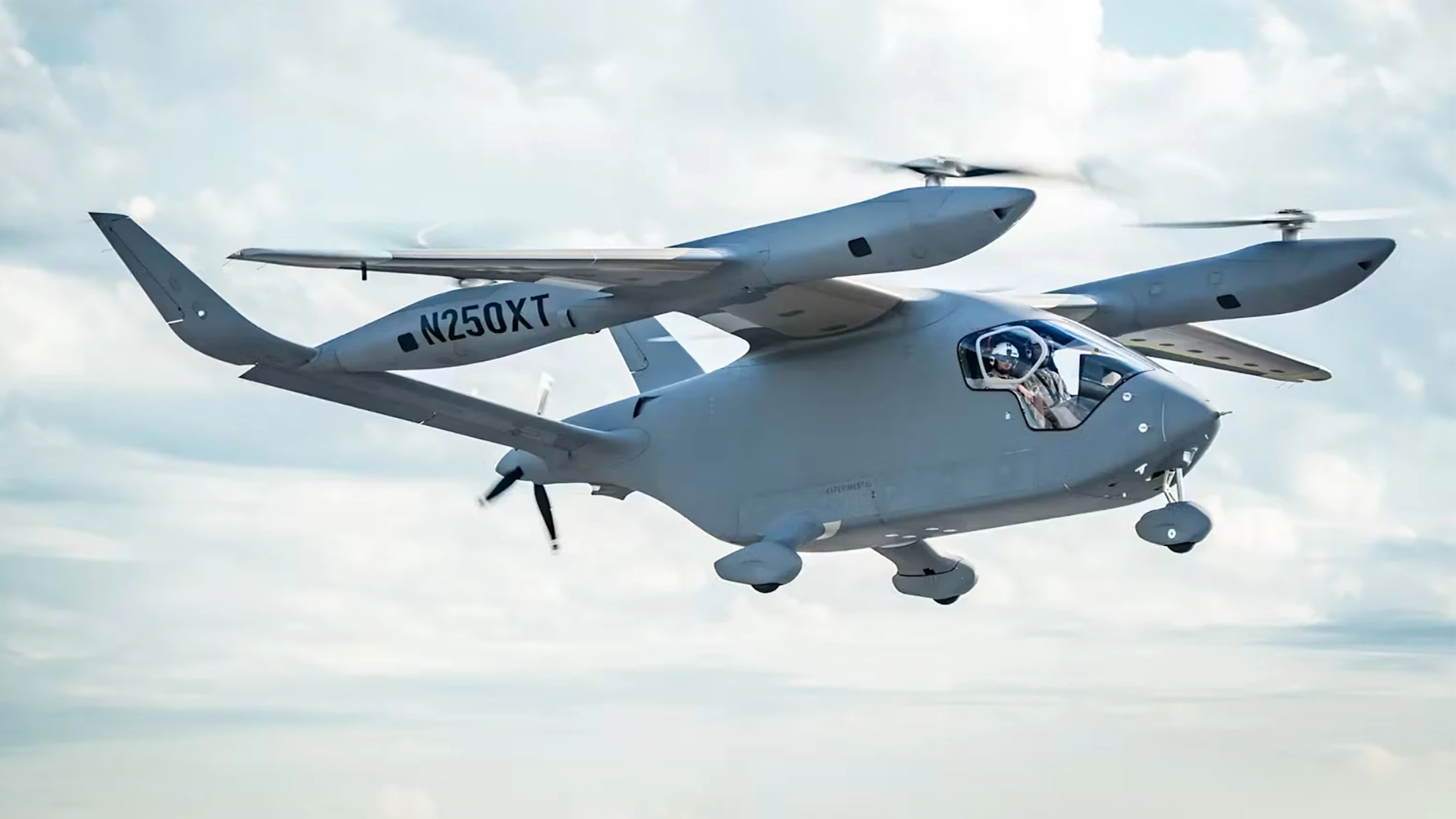
In addition to the industry’s economic benefits, business aviation is also at the forefront of innovation to cut carbon emissions. With fuel-saving breakthroughs such as winglets, composite airframe components and highly efficient turbofan engines, today’s business aircraft are as much as 35% more efficient than previous models.
While large-cabin intercontinental business jets represent the greatest proportion of maintenance expenditures, the report also noted the growth of fractional ownership programs and charter operations are driving increased maintenance requirements and global market share in the light-jet and very-light-jet segments.
North America will continue to represent the lion’s share of the business jet maintenance market by revenue; the report said and is also expected to be the fastest growing regional market during the forecast period.