
Business aviator Robert Johnson has flown relief missions for more than eight years, most recently transporting aid and supplies, as well as providing critical lift, to people in Jamaica affected by Hurricane Melissa.
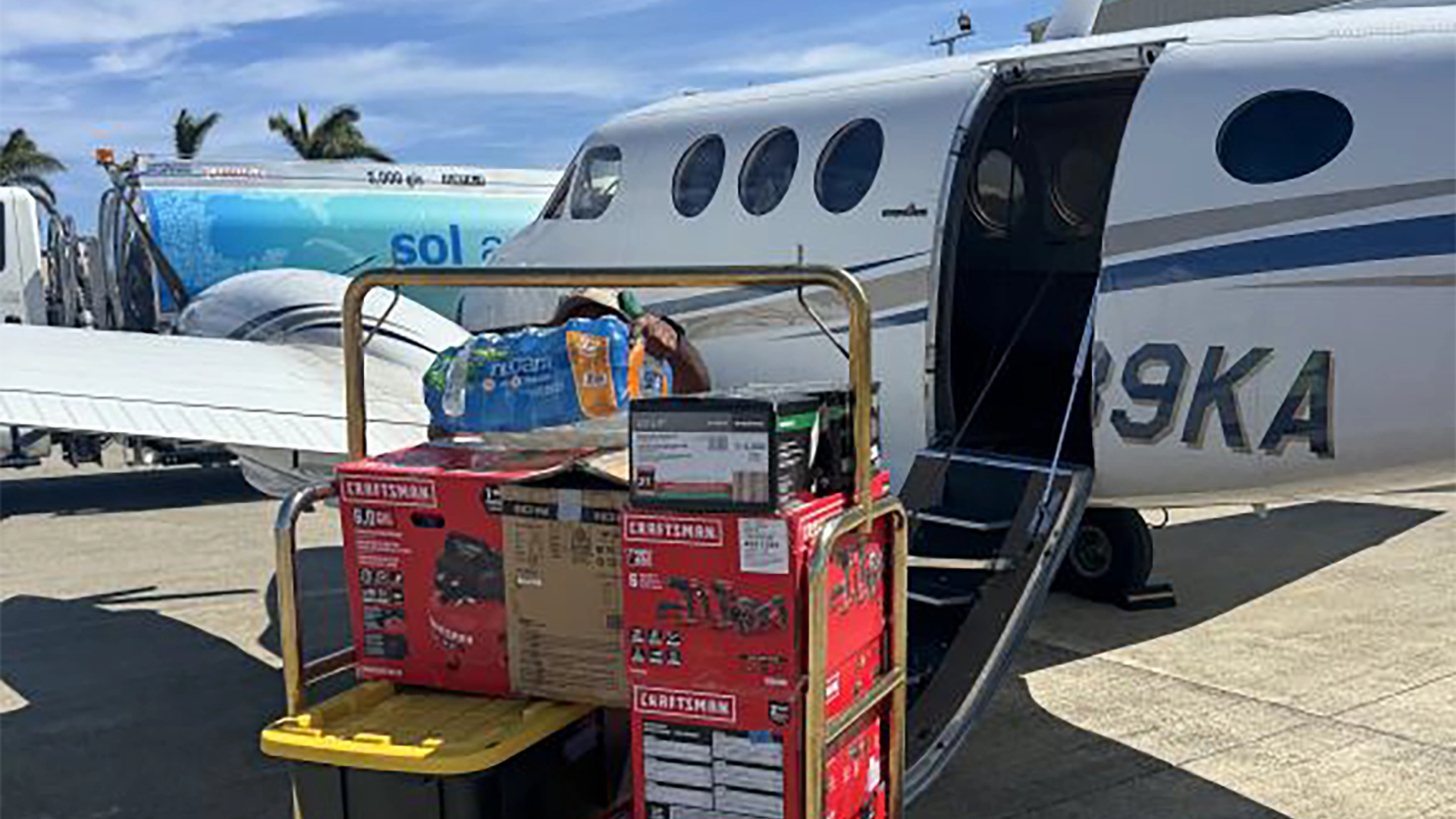
Shortly after the hurricane hit the island nation, Johnson’s Beechcraft King Air E90 delivered the second load of relief supplies to Montego Bay on behalf of Operation Airdrop, a Texas-based 501(c)3 non-profit relief organization.
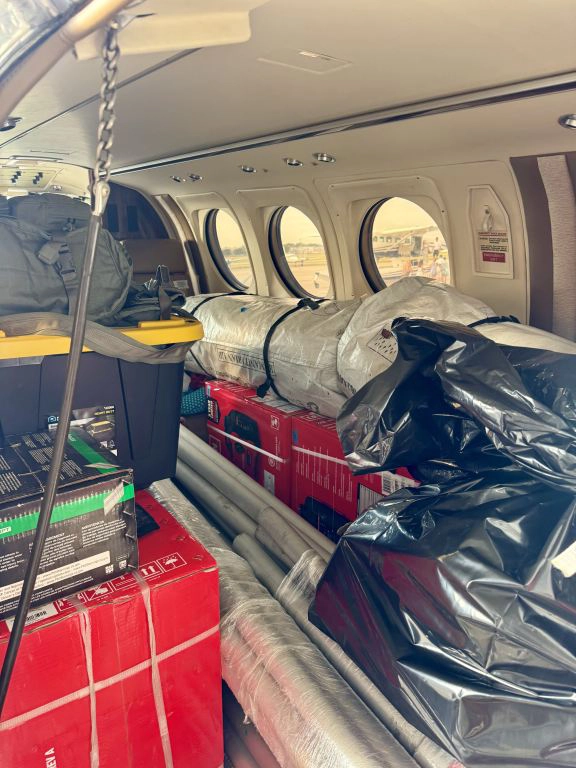
“We loaded the airplane with baby formula and a bunch of shelf-stable meals, which one of our partners, Operation BBQ Relief, put together,” Johnson said. “I loaded up 500-plus meals, with another 500 pounds of formula.”
Over the next three days, Johnson flew more supplies and equipment from Operation Airdrop’s base at Miami Executive Airport (TMB). He also transported six relief workers from Kingston to Montego Bay (“It would have been more than a four-hour drive otherwise,” Johnson noted) and participated in a meeting with members of the Jamaican Parliament.
Those trips gave him a new perspective on the importance of such volunteer relief efforts.
“Normally, a pilot flying disaster relief only sees the airport,” he said. “You really don’t see the people you’re helping or the areas that are affected. So, it was incredibly impactful for me to get into the country, and see our aid being delivered directly.”
Johnson’s dedication to relief flying dates to landing his Cessna 421 in Conroe, TX, in the aftermath of Hurricane Harvey’s devastating strike in 2017.
“That was the first of many flights in support of the Salvation Army’s efforts,” he said. “It ended up being a massive airlift, and the first time since [Hurricane] Katrina in 2006, where general aviation was used for widescale disaster relief.” That effort ultimately led to the formation of Operation Airdrop, for which Johnson currently serves as vice chairman.
Even with his experience, Johnson noted that operating to Jamaica presented unique challenges. “The first is just the distance,” he said. “It’s 550 miles from TMB to Montego Bay, over open ocean and Cuba, so we ended up sending only turbine-powered aircraft down there.
“The other issue for us was finding pilots and airplanes,” Johnson added. “Most of our missions are usually within the continental U.S. and done in [Beechcraft] Bonanzas and Cessna 210s. A lot of those pilots aren’t accustomed to international flying, so I think it kind of scared away a lot of volunteers who wanted to help.”
Johnson and the Airdrop team also encountered some difficulty early on with securing the necessary permits. He later received valuable guidance on interacting with the authorities from a Jamaican pilot who flies for a major U.S. airline – one of the many pilots and volunteers Johnson credits with making Operation Airdrop’s efforts a success.
“There are so many unsung heroes working behind the scenes and on their laptops to manage the process and get it all done,” he added. “And we learned a lot that will help tremendously in other relief efforts going forward. We all hope Jamaica and other islands never get hit like this again, but we’ll be ready if they do.”