

A recent study from the Institute for Policy Studies (IPS) and Chuck Collins paints a distorted, misleading picture of business aviation, characterizing it merely as a taxpayer-subsidized luxury for the billionaire class. By relying on heavy-handed rhetoric about “super-polluters” and exclusive jet-setting, IPS entirely ignores the foundational realities of the sector. Far from being a playground for the ultra-wealthy, general and business aviation serves as an essential pillar of the national economy and a critical testbed for sustainable aerospace innovation.
The tired caricature of the C-suite executive flying private to a vacation home ignores the data. Independent studies conclusively show that 85 percent of companies utilizing business aircraft are small and mid-sized enterprises. The passengers aboard these flights are overwhelmingly technicians, mid-level managers, and customer support teams traveling to fulfill customer needs. Moreover, roughly 80 percent of these flights serve small towns and rural areas that have little to no commercial airline service. By connecting these communities, business aviation generates a staggering $250 billion in economic impact, supporting over a million jobs and driving vital airport infrastructure expansions where major airlines refuse to operate.
The accusation that taxpayers and commercial passengers are somehow subsidizing business aviation is equally baseless. The IPS report complains about the industry’s share of FAA operations, but it deliberately ignores the cost-allocation methodologies accepted by both the FAA and the International Civil Aviation Organization (ICAO). The immense scale, complexity, and sheer volume of the commercial airlines’ hub-and-spoke networks are what truly drive air traffic control and system costs. Business operators pay their fair share through fuel taxes and fees while placing only a fraction of the burden on the national airspace.
Perhaps the most egregious omission from IPS is business aviation’s undisputed role as an incubator for green innovation. Far from ignoring climate concerns, the sector is rapidly advancing sustainable aviation fuel (SAF) initiatives, which can cut lifecycle carbon emissions by up to 80 percent compared to traditional jet fuel. Business aviation is actively demonstrating a commitment to net-zero operation by 2050. These ongoing efforts build upon a long legacy of pioneering efficiency breakthroughs, such as lightweight composites and drag-reducing winglets, that eventually make their way to commercial airliners.
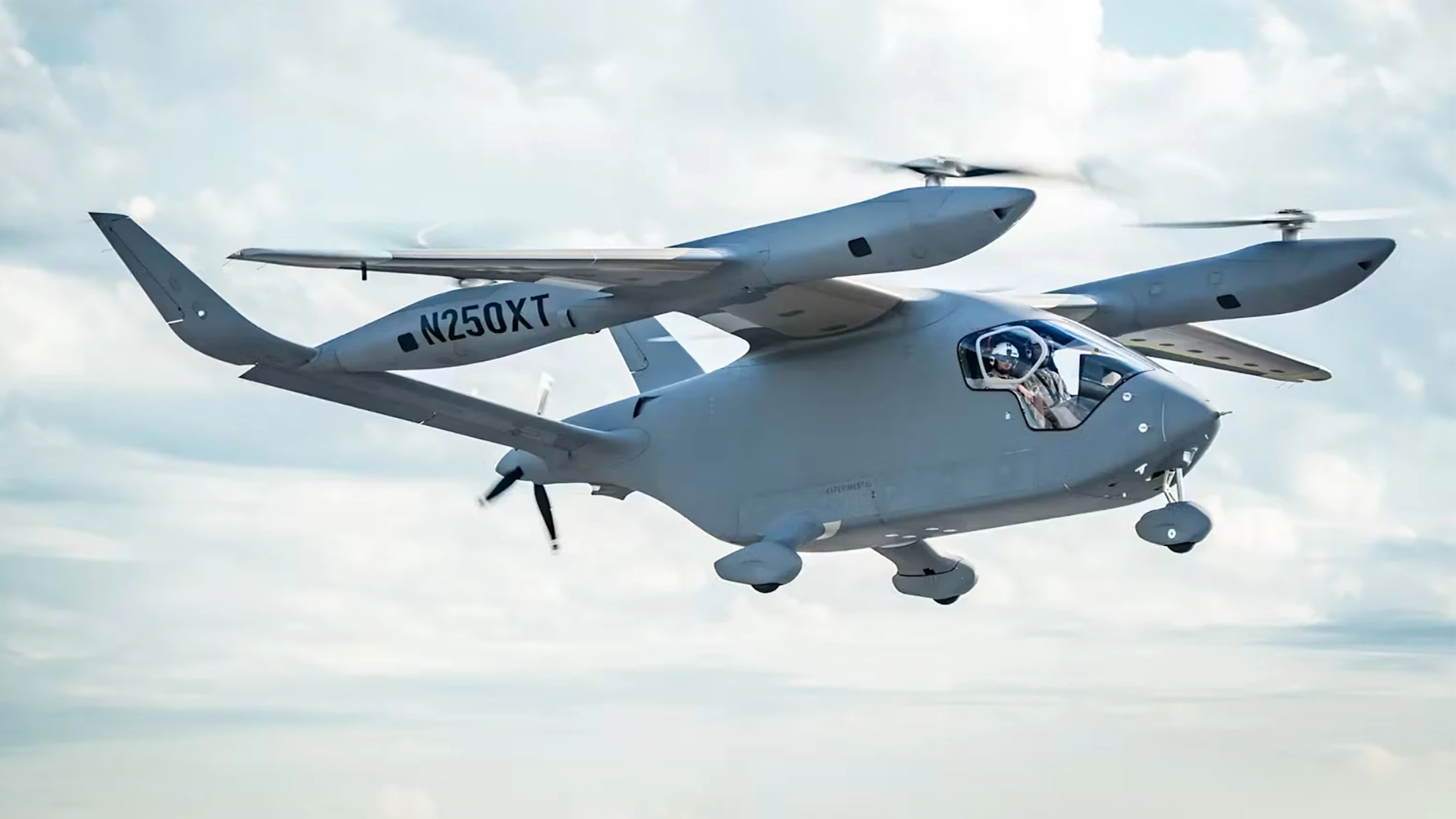
Furthermore, the industry is already looking past traditional jet engines, heavily investing in advanced air mobility and the development of electric vertical takeoff and landing (eVTOL) aircraft. Levying punitive luxury taxes and exorbitant user fees on these operators, as the IPS report aggressively demands, would only stifle the financial engines that fund these critical research and development efforts.
It is time to ground the partisan, class-warfare rhetoric from IPS and Chuck Collins. Let’s recognize business aviation for what it truly is: an indispensable economic lifeline and the leading catalyst for a sustainable aerospace future.